Kite Flying
Introduction
Kite flying is an age-old pastime that has captured the imaginations of people across the world. Steeped in tradition and cultural heritage, kites have evolved from simple airborne devices to intricate works of art and engineering marvels. They have been used for various purposes throughout history, from military applications to recreational activities, and are celebrated in numerous festivals worldwide. Known for their vibrant colors and diverse designs, kites transcend mere childhood amusement, embodying a rich tapestry of history, culture, and innovation.
History
Kites have a long and storied history that dates back to ancient China. Records suggest that the origins of kites can be traced to the late Spring and Autumn Period (770-476 BC), where they were initially utilized for military reconnaissance and communication. The philosopher Mozi is credited with creating the first wooden kite, while later innovations by Lu Ban introduced bamboo as a more suitable material. The Eastern Han Dynasty (25-220) saw further advancements with Cai Lun's papermaking techniques, leading to the creation of paper kites. Throughout the Tang (618-907) and Song (960-1279) Dynasties, kites became increasingly popular, evolving into a cultural staple during festivals and celebrations.
The Ming (1368-1644) and Qing (1644-1911) Dynasties marked significant progress in kite design, style, and technique, reflecting local customs and artistry. Kites of this era were often adorned with intricate decorations and accompanied by sounds, becoming emblematic gifts and cultural artifacts. During the Qing Dynasty, kite flying was immortalized in literature, with the novel Dream of the Red Chamber using kites as allegories for character fates.
Features
Kites are celebrated for their diverse designs and functionalities, crafted to glide gracefully through the sky. Traditional Chinese kites are often made with bamboo frames and covered with paper or silk, painted with symbolic imagery such as swallows, dragons, and mythical creatures. These designs carry cultural significance, representing themes like prosperity, longevity, and good fortune. The intricate craftsmanship involved in kite-making requires skill and patience, with artisans using techniques passed down through generations.
Modern kite-making has embraced new materials and technologies, allowing for the creation of more durable and aerodynamic kites. Innovations include using carbon fiber and synthetic materials, enhancing performance and longevity. Despite technological advancements, traditional methods remain cherished, celebrating the artistry and cultural heritage of kite-making.
Cultural Significance
Kite flying holds profound cultural significance in many societies, especially in China, where it is deeply intertwined with folklore, traditions, and artistic expression. Kites are not only a form of entertainment but also convey stories and auspicious messages. Festivals dedicated to kite flying, such as the Weifang International Kite Festival, showcase the rich cultural heritage and communal spirit associated with this pastime.
In Chinese culture, kites symbolize the release of negative energies and the aspiration for a brighter future. They are often involved in celebrations like the Cold Food Festival and Tomb Sweeping Day, reflecting themes of remembrance and renewal. The art of kite flying is also seen as a meditative practice, promoting physical activity and connection with nature.
Variations
Kite designs vary widely across regions and cultures, each with distinctive features that reflect local traditions and environments. In China, notable types include the Weifang kites with their vivid colors and detailed motifs, and the Nantong-style banyao kites known for their whistling sounds. The banyao kites, originating from Nantong, Jiangsu province, are prized for their large, flat hexagonal frames and vibrant decorations.
International variations include the delta kites, renowned for their stability and ease of flight, and the Malay wau kites, famous for their elaborate tails and curved silhouettes. Each variation highlights unique aspects of kite-making, showcasing the creativity and innovation of kite artisans worldwide.
Modern Adaptations
In contemporary times, kite flying has evolved into a global phenomenon, with enthusiasts embracing both traditional and modern styles. Advances in technology have introduced new materials and designs, enabling the creation of high-performance kites for sports and recreational use. Kite surfing, snow kiting, and kiteboarding are popular modern adaptations that combine the thrill of kite flying with extreme sports.
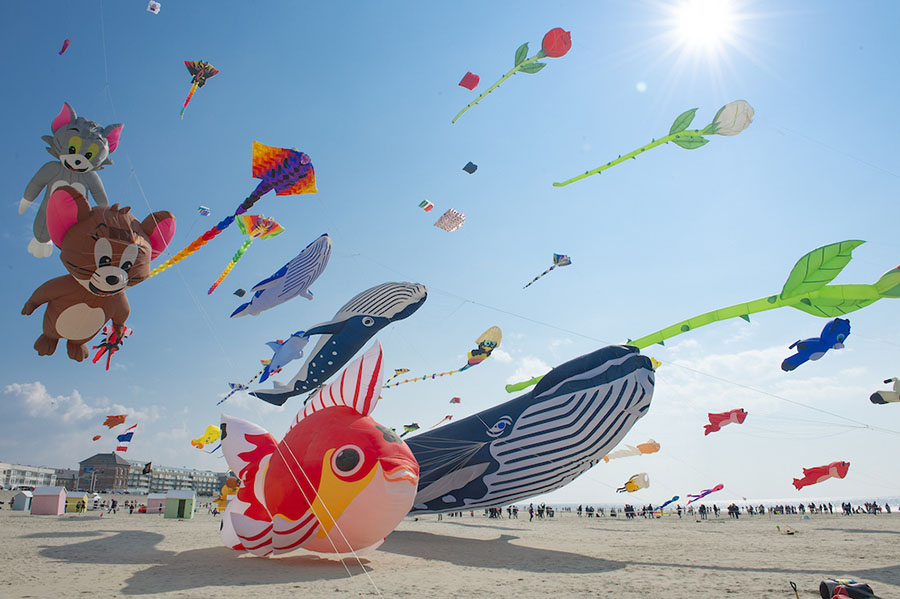
Kite festivals around the world celebrate these innovations, featuring competitions and displays that highlight both traditional artistry and cutting-edge designs. In these events, kites of all shapes and sizes soar, demonstrating the enduring appeal and versatility of this timeless activity.
International Influence
Kite flying has transcended cultural and geographical boundaries, influencing communities worldwide. The International Kite Festival in Berck-sur-Mer, France, exemplifies the global appeal of kites, attracting participants and spectators from various countries. This event showcases the diversity of kite designs, from traditional Chinese styles to contemporary creations, fostering cultural exchange and appreciation.
Countries like India, Japan, and Brazil also have rich kite-flying traditions, each contributing to the global tapestry of kite culture. These influences have spurred collaborations and innovations, enriching the art and practice of kite flying on an international scale.








